If you want a city that feels connected, scenic, and easy to settle into, Camas often stands out right away. You may be looking for a place with more breathing room, access to the outdoors, and a strong sense of everyday convenience without giving up regional access. The good news is that Camas offers a mix of historic character, trail access, housing variety, and suburban connectivity that appeals to many kinds of buyers and movers. Let’s dive in.
Camas at a glance
Camas is a city in Clark County with an estimated 2024 population of 27,313. That is up 4.6% from the 2020 census count of 26,065, which points to steady growth over the last few years.
It also sits near the higher-priced end of the local market. Recent Census QuickFacts show a median value of owner-occupied homes in Camas of $711,700, compared with $462,400 in Vancouver and $492,100 in Washougal.
That pricing helps set expectations if you are comparing communities in East Clark County. In exchange, many buyers are drawn to Camas for its small-town feel, established amenities, and access to parks, trails, and the SR-14 corridor.
Everyday life in Camas
One of the first things many people notice about Camas is its historic downtown. The city continues to plan for and invest in preserving that area’s sense of place through its downtown subarea planning work, which reflects how central downtown is to the local identity.
The city also highlights regular community amenities and events that shape daily life. These include First Fridays, the farmers market, Camas Days in July, the public library, parks, trails, the community center, and Lacamas Lake Lodge.
That adds up to a lifestyle that feels active but not rushed. Camas tends to read more as a community-focused residential city than a dense urban center.
A small-town feel with room to move
Camas began as a paper-mill town, and the city’s neighborhood materials still frame it through livability, open space, parks, and neighborhood involvement. That history matters because it helps explain why the city feels grounded and established rather than brand new or overly built out.
If you like a place that feels welcoming and outdoors-oriented, this part of Camas may appeal to you. The city notes about 60 miles of trails, which gives residents many ways to get outside close to home.
Outdoor access is a big part of life
For many residents, the outdoors is not an occasional bonus in Camas. It is part of the rhythm of everyday life.
Lacamas Park is one of the clearest examples. The city describes it as the Home of the Camas Lily and lists hiking and biking trails, fishing, picnic shelters, playground equipment, restrooms, and open space among its amenities.
Trails, lake views, and open space
If you enjoy walking, biking, or spending time near the water, Camas gives you several built-in options. The city trail map includes a 7-mile round-trip Heritage Trail, a 6-mile Lacamas Park trail network, a 2.6-mile Mill Ditch Trail, and a little-over-2-mile Washougal River Greenway Trail.
Lacamas Lake also adds to the city’s lifestyle appeal. Lacamas Lake Lodge overlooks the lake and is used for events, which gives the area another community gathering place.
This trail and park network supports the idea that Camas offers a more outdoors-connected lifestyle than many buyers expect from a suburban city. If your ideal weekend includes trails, lake views, or easy park access, Camas makes that easier.
Commuting and getting around
Camas has a suburban feel, but it is not isolated. The city is closely tied to the SR-14 corridor, which shapes how many people move between Camas and the rest of the region.
According to WSDOT, the 7-mile trip from Camas to the I-205 interchange took an average of 10 minutes during the 2023 peak morning commute and 8 minutes during the evening return. That makes regional access fairly practical for many households.
A primarily car-oriented city
Recent Census data shows a mean travel time to work of 24.6 minutes. For many residents, that supports a lifestyle where you can live in a quieter residential setting while still staying connected to job centers and services in the broader area.
Transit is available, though commuting patterns still appear mostly car-oriented. C-TRAN’s route list includes Route #92 Camas/Washougal, Route #41 SR 14, and Route #105/105X I-5 Express, which can offer an added option depending on where you are going.
If you are relocating from a denser city, that is helpful context. Camas offers convenience and regional access, but it functions more like a suburban residential center than a transit-first environment.
Housing in Camas
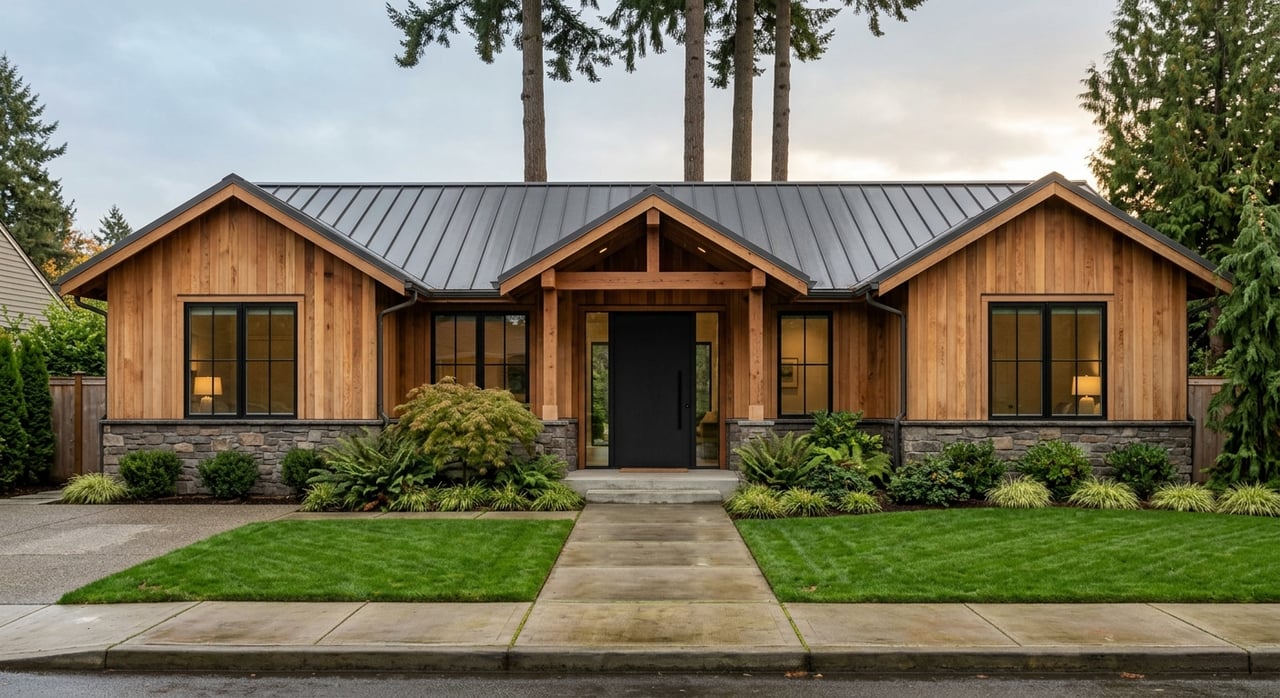
If you are wondering whether Camas is mostly large detached homes, the answer is more nuanced than that. The city’s housing plan describes a broad mix that ranges from residential estates on acreage to higher-density apartments and a variety of single- and multi-family housing types.
That range matters because it creates more than one path into the market. While Camas is known for higher home values, the city’s planning language shows that housing types are broader than a single-image luxury suburb.
A range of home styles
Camas also defines middle housing as duplexes, triplexes, townhouses, courtyard apartments, cottage housing, stacked flats, and accessory dwelling units. In practical terms, that means the city is actively broadening options beyond the traditional detached-house model.
For buyers, this can open up more possibilities depending on your goals, budget, and preferred lifestyle. You may find neighborhoods with more traditional single-family patterns, estate-style settings, or denser housing options closer to services and key corridors.
What the numbers suggest
Owner occupancy in Camas is 78.3%, according to recent Census QuickFacts. The median gross rent is $2,090, which gives you another data point if you are comparing renting versus buying.
Median household income is reported at $141,126. Taken together, those figures support the picture of Camas as a relatively affluent market with a strong ownership base.
Schools and community structure
For many buyers, one practical question is whether a city has a full local school system. Camas does.
Camas School District reports 7,269 students, a 93.7% on-time graduation rate, and 86.3% of teachers with a master’s degree. The district includes six elementary schools, three middle schools, and three high schools or alternative high school options.
Why this matters for buyers
Even if schools are not your main reason for moving, the presence of a full local district is often part of how a city functions day to day. It can shape routines, community identity, and how people think about long-term fit.
In Camas, that contributes to the city’s reputation as a place where many people put down roots. It supports the overall picture of a city built around residential life, local amenities, and long-term livability.
How Camas compares locally
If you are deciding between Camas, Vancouver, and Washougal, the differences are helpful to understand. Vancouver is much larger, with a population of 198,992 in recent Census QuickFacts, while Washougal is smaller at 17,944.
Camas often falls in the middle in size but near the top in pricing. That combination can make it appealing if you want a smaller-scale feel than Vancouver, with more established amenities and a different price point than some nearby options.
Who tends to like Camas
Camas can be a strong fit if you want:
- A historic downtown and community events
- Easy access to trails, parks, and lake settings
- A suburban location with SR-14 connectivity
- A range of housing types, including detached homes and other formats
- A city that feels established, residential, and outdoors-oriented
It may be less ideal if you want a denser, more urban pace or a lower-cost entry point than what Camas often offers.
What it really feels like to live here
Living in Camas often means balancing convenience with a calmer pace. You are close enough to regional routes and nearby cities to stay connected, but your day-to-day environment can still feel more local, scenic, and residential.
You may spend a morning at the farmers market, an afternoon on the trails around Lacamas Park, or a weeknight heading through downtown for community events. That blend of access and atmosphere is a big part of why Camas stands out.
If you are looking for a place in Southwest Washington that combines outdoor access, a recognizable town center, and a strong sense of livability, Camas deserves a serious look. And if you want help figuring out whether it matches your budget, lifestyle, and next move, Chaney Compher is here to help.
FAQs
What is the general cost of living like in Camas, Washington?
- Camas is near the pricier end of the local housing market, with a median owner-occupied home value of $711,700 and a median gross rent of $2,090 in recent Census QuickFacts.
What is the commute like from Camas, Washington?
- Camas is closely connected to the SR-14 corridor, and WSDOT reports the 7-mile trip from Camas to the I-205 interchange averaged 10 minutes in the 2023 morning peak and 8 minutes in the evening return.
What kinds of homes can you find in Camas, Washington?
- The city describes a broad housing mix that includes estates on acreage, detached homes, apartments, and middle housing such as duplexes, triplexes, townhouses, cottage housing, stacked flats, and ADUs.
What outdoor amenities are available in Camas, Washington?
- Camas offers extensive outdoor access, including about 60 miles of trails citywide, plus amenities at Lacamas Park such as hiking and biking trails, fishing, picnic shelters, playgrounds, and open space.
What makes Camas, Washington feel different from nearby cities?
- Camas combines a historic downtown, lake and trail access, and a smaller, more outdoors-oriented residential feel than larger nearby Vancouver, while also trending higher in home values than both Vancouver and Washougal.