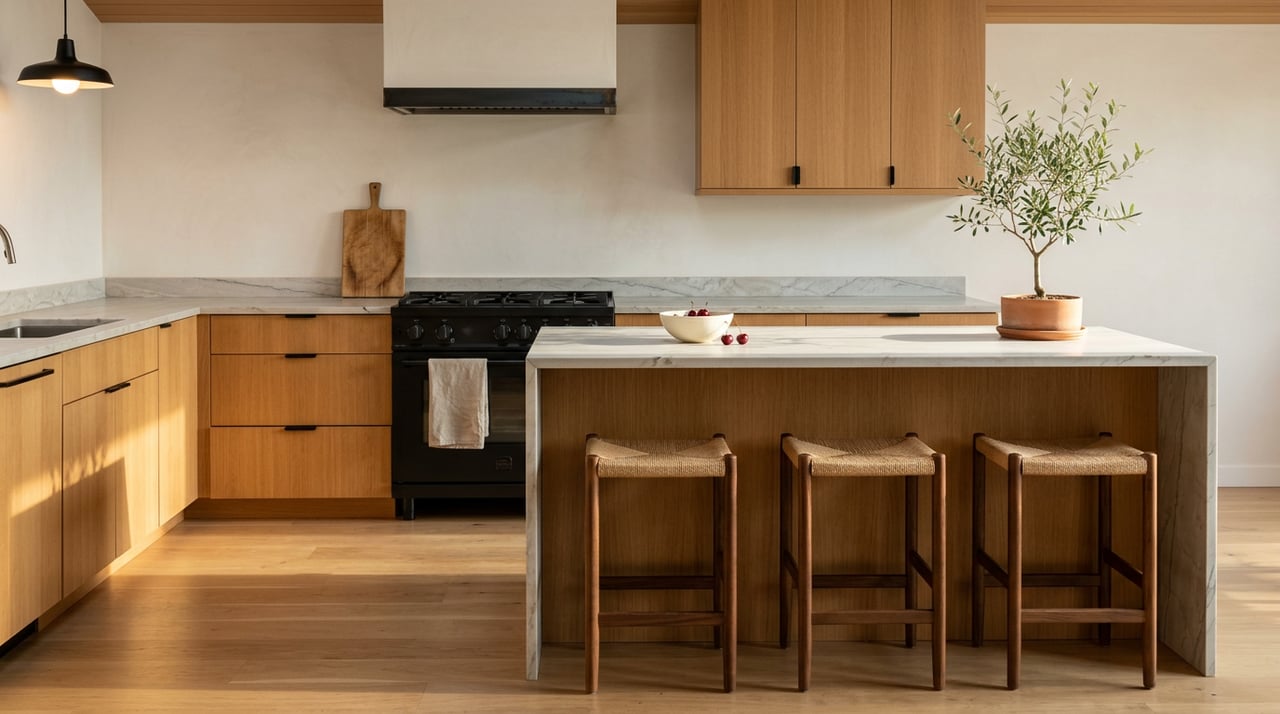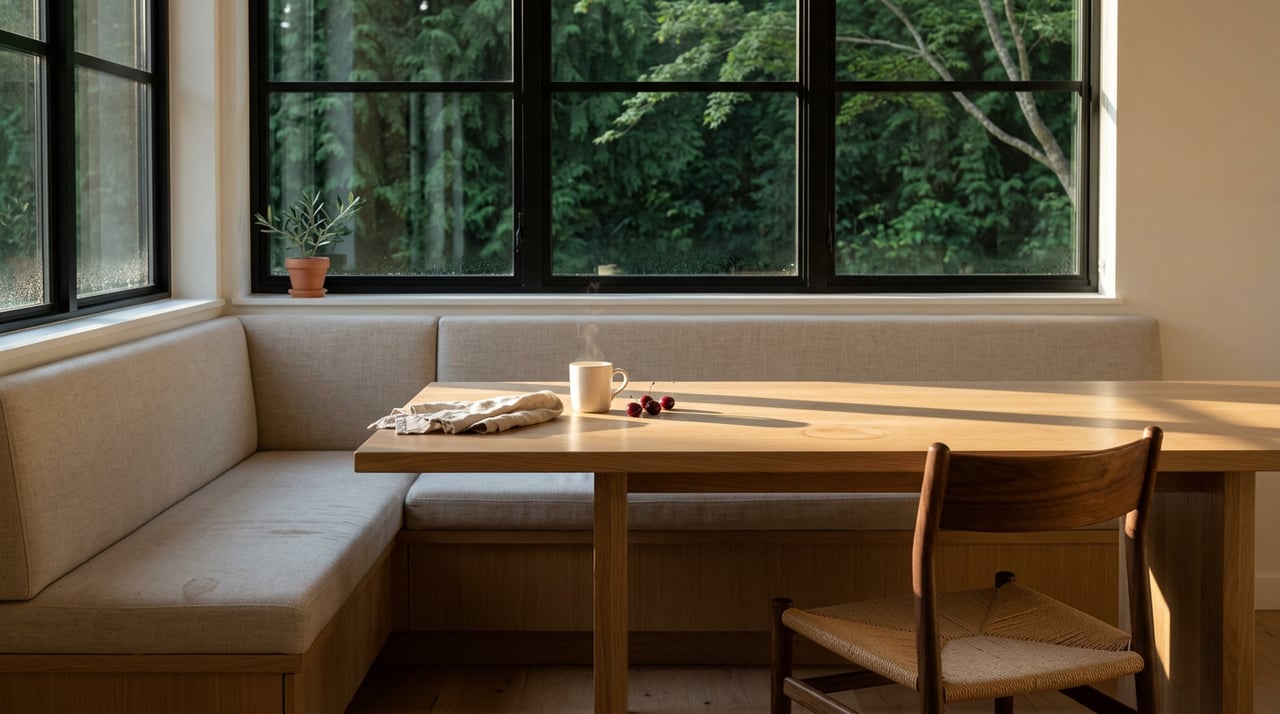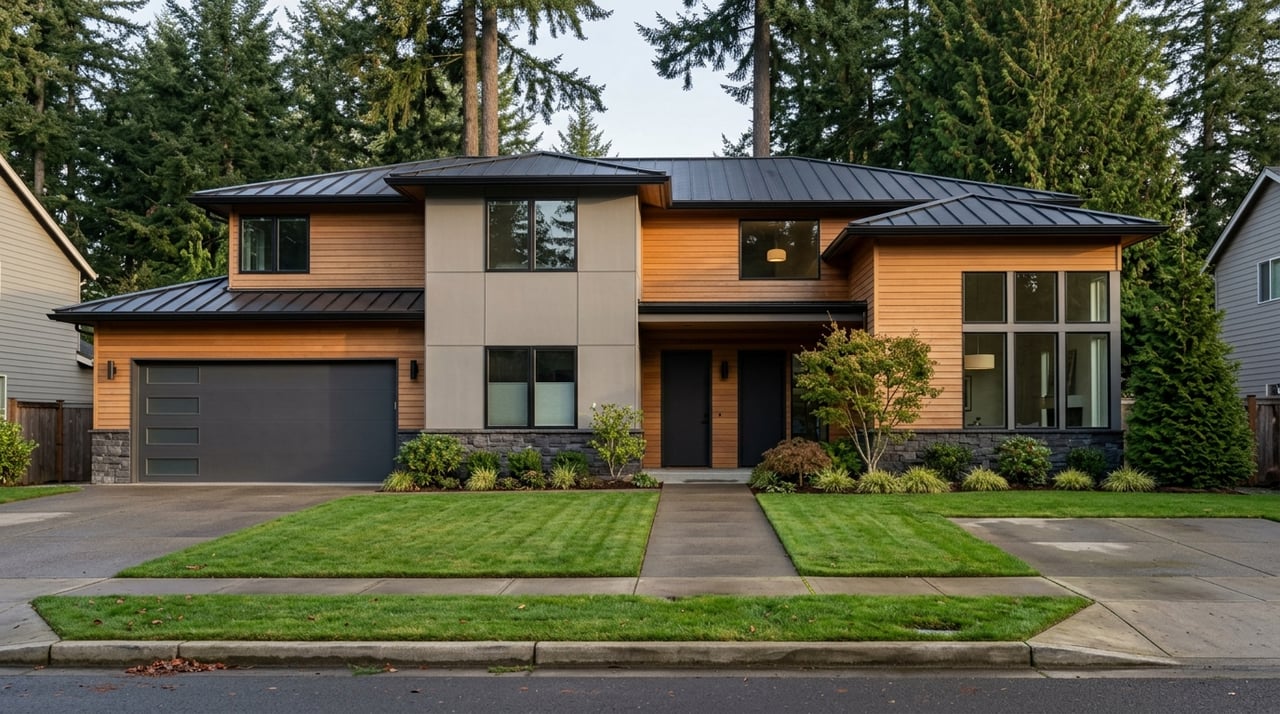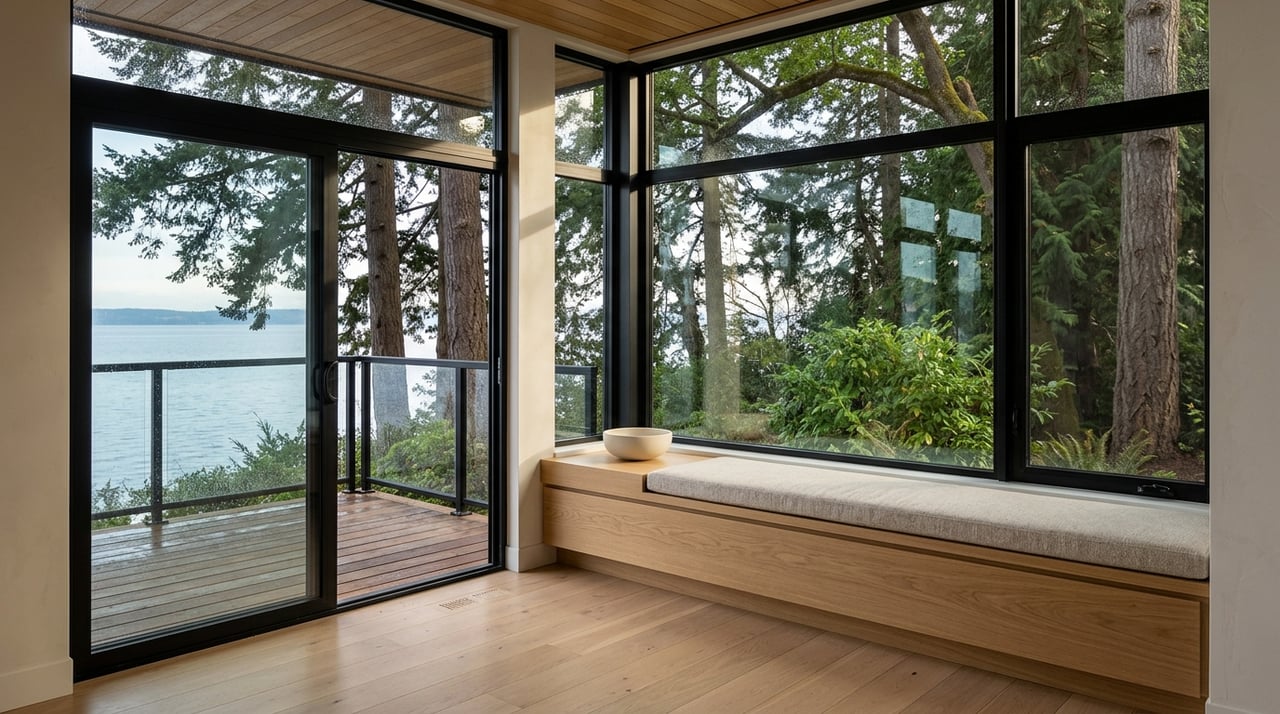
If you are dreaming about a home with a Columbia Gorge view, Stevenson offers something hard to find elsewhere: a small river town where the scenery is part of daily life. You are not just shopping for square footage here. You are choosing how close you want to be to the waterfront, downtown, trailheads, and the dramatic terrain that makes this part of Washington feel so distinct. This guide will help you understand what makes Stevenson view homes unique and what to pay attention to before you buy. Let’s dive in.
Why Stevenson Feels Different
Stevenson sits on the Washington side of the Columbia River Gorge National Scenic Area, about 45 miles east of Portland and Vancouver. It is a small city of 1,491 residents, which gives it a very different feel from larger nearby communities. The setting is part of the appeal, with the Gorge forming an 80-mile canyon that reaches up to 4,000 feet deep.
The city’s planning documents make it clear that scenic beauty is not just a backdrop here. Stevenson has long treated natural and scenic beauty, quality of life, and an active waterfront as central community priorities. For you as a buyer, that means the value of a view home is often connected to the larger setting around it, not just the house itself.
What a View Home Means in Stevenson
In some markets, a view home simply means a house with big windows facing a nice outlook. In Stevenson, the idea is more layered. The shape of the land, the waterfront corridor, and access to town all play a role in what makes a property special.
Most view-oriented homes here tend to fall into two broad categories. You will usually see either in-town homes that offer easier access to downtown and waterfront amenities, or hillside and upper-lot properties where the views may be wider but the site itself becomes a bigger part of the decision.
In-Town View Homes
In-town homes often appeal to buyers who want scenery along with convenience. These properties may offer a connection to the downtown corridor, public spaces, and the waterfront trail network. If your goal is to enjoy the river setting without feeling far removed from daily errands or local dining, this type of location can be very attractive.
Stevenson’s planning materials also show ongoing focus on downtown, public spaces, and waterfront improvements. That matters because a view in town is often tied to walkability and access, not just elevation.
Hillside and Upper-Lot Properties
Hillside or upper-lot homes often bring a different kind of value. In many cases, the payoff is a broader outlook that can include the river, mountain scenery, or a wider Gorge setting. These properties can feel more private or more immersed in the landscape.
At the same time, the site itself deserves close attention. Driveway grade, ease of access, and how the home fits the lot can have a real impact on day-to-day living. In Stevenson, the terrain is not a side note. It is part of the buying decision.
Why Topography Matters More Here
Stevenson’s physical landscape is one reason view properties feel so unique. The same features that create dramatic scenery can also shape how a home functions. A beautiful perch above town may come with a steeper approach, more site-specific considerations, or different development limitations than a flatter in-town lot.
The city’s critical areas code references flooding, erosion, landslides, soils subsidence, and steep slope failure. That does not mean every view property has these concerns. It does mean you should treat lot conditions, access, and oversight as part of your home search from the beginning.
Questions to Ask About the Site
When you are evaluating a Stevenson view home, it helps to look beyond the photos and ask practical questions such as:
- Is the property in town, near the waterfront corridor, or on a steeper view-oriented site?
- What kind of daily access does it have to SR 14, downtown, and trailheads?
- How steep is the driveway or approach?
- Is the parcel subject to shoreline, critical-area, or National Scenic Area rules?
- Does the home feel like a fit for full-time living, seasonal use, or a second-home lifestyle?
These questions help you understand whether a home supports the way you actually want to live, not just the way it looks in listing photos.
The Lifestyle Side of a Stevenson View Home
A big reason people are drawn to Stevenson is that the scenery connects directly to everyday activities. The town’s visitor materials highlight hiking, waterfalls, river views, local shops, and restaurants. That means a view home here often comes with a built-in lifestyle component.
If you love the outdoors, Stevenson offers easy access to some of the Gorge’s best-known recreation. The city highlights nearby destinations like Dog Mountain, Beacon Rock, and Fall Creek Falls. Dog Mountain alone is described as a 6.8-mile hike with 2,828 feet of elevation gain and broad Gorge views.
The river is also central to the local experience. Stevenson is known for boating, fishing, kayaking, paddle sports, windsurfing, and kiteboarding, with boat-launch access at Rock Creek Cove and East Beach/Cascade Avenue. For many buyers, the ideal view home is not just about seeing the water. It is about being close enough to use it often.
Waterfront Access Adds Everyday Value
One of the more practical lifestyle advantages in Stevenson is the connection between the waterfront and downtown. The waterfront trail project creates a bike and pedestrian link that helps the riverfront feel integrated with the town. That can make a difference if you want a home where outdoor access feels like part of your routine instead of a special occasion.
This is one reason Stevenson can feel especially appealing for buyers who want a recreation-first lifestyle without giving up a true town center. The river edge is not cut off from the community. It is increasingly connected to it.
Which View Matters Most to You
Not all Stevenson views feel the same, even when they are equally beautiful. Some buyers are most drawn to direct river views. Others care more about looking toward Rock Cove, Rock Creek, or a broader mountain and Gorge outlook.
Before you buy, it helps to define what you mean by a “view home.” Are you hoping for a daily visual connection to the Columbia River? Do you want a wide-open scenic panorama? Or do you want a home where the view is paired with quick access to downtown and the waterfront? Knowing your answer can help narrow the search in a meaningful way.
Stevenson vs. Washougal for View Buyers
Some buyers compare Stevenson with Washougal when they start exploring Gorge-area homes. The two places can appeal to similar buyers, but they offer a very different living experience. Washougal is much larger, with 18,028 residents, and is noted for a broader park system and a location at the mouth of the Gorge about 20 minutes from PDX.
Stevenson is much smaller and more compact by comparison. Its appeal is often tied to being deeper in the Gorge landscape, with immediate access to river scenery, trail culture, and a small-town waterfront feel. If Washougal often reads as more suburban and airport-convenient, Stevenson tends to feel more like a scenic base camp.
Neither is better for every buyer. It depends on whether you want a larger community with easier metro access or a smaller river town where the Gorge setting shapes daily life more directly.
Local Oversight Can Shape Your Options
When buying a view property in Stevenson, it is smart to understand who regulates what. Skamania County’s planning division handles zoning, critical areas, shoreline matters, and National Scenic Area codes. Depending on the property, city or county oversight may affect what can be built, changed, or expanded.
This is especially important if you are considering a parcel, a custom-home path, or a property with future improvement plans. A home’s view may be the headline feature, but the rules tied to the site can influence long-term usability just as much.
How to Buy with Clarity
The best Stevenson view-home decisions usually come from balancing emotion with practicality. It is natural to fall in love with a dramatic outlook. The key is making sure the home also works for your daily routine, access needs, and long-term goals.
A calm, well-informed buying process can help you compare properties with the right lens. Instead of asking only, “How beautiful is this view?” it helps to ask, “How does this property support the life I want here?” That is often where the clearest decision comes into focus.
If you are thinking about buying a view home in Stevenson, the right guidance can help you sort through location, terrain, lifestyle fit, and the details that are easy to miss online. When you are ready to explore Gorge properties with a local, thoughtful approach, connect with Chaney Compher.
FAQs
What makes a Stevenson view home different from a typical view property?
- In Stevenson, the value of a view home is closely tied to the town’s terrain, waterfront access, downtown connection, and proximity to Gorge recreation.
What types of view homes are common in Stevenson?
- Buyers will often find in-town homes near downtown and the waterfront, as well as hillside or upper-lot properties where elevation and site access are a bigger part of the decision.
What should buyers check before purchasing a hillside home in Stevenson?
- Buyers should review driveway grade, access to SR 14 and downtown, lot fit, and whether the parcel is affected by shoreline, critical-area, or National Scenic Area rules.
What lifestyle benefits come with living in Stevenson?
- Stevenson offers access to hiking, river recreation, local shops, restaurants, boat launches, and a waterfront trail connection that links the riverfront with downtown.
How does Stevenson compare with Washougal for view-home buyers?
- Stevenson is a much smaller river town with immediate access to Gorge scenery and trail culture, while Washougal is larger and often more convenient for suburban living and airport access.
Why does local planning matter when buying a view home in Stevenson?
- Local planning matters because zoning, shoreline regulations, critical-area review, and National Scenic Area rules may affect how a property can be used, improved, or developed over time.